ARIAH (Advancement of Reproductive Innovation through Artistry and Healing) is dedicated to improving the mental and physical health of Black, Indigenous, and People of Color (BIPOC), particularly birthing people, through advocacy, education, and healing practices. ARIAH’s goal is to mitigate the lasting impact of systemic racism and oppression on the sexual, reproductive health and birth outcomes within underserved communities.
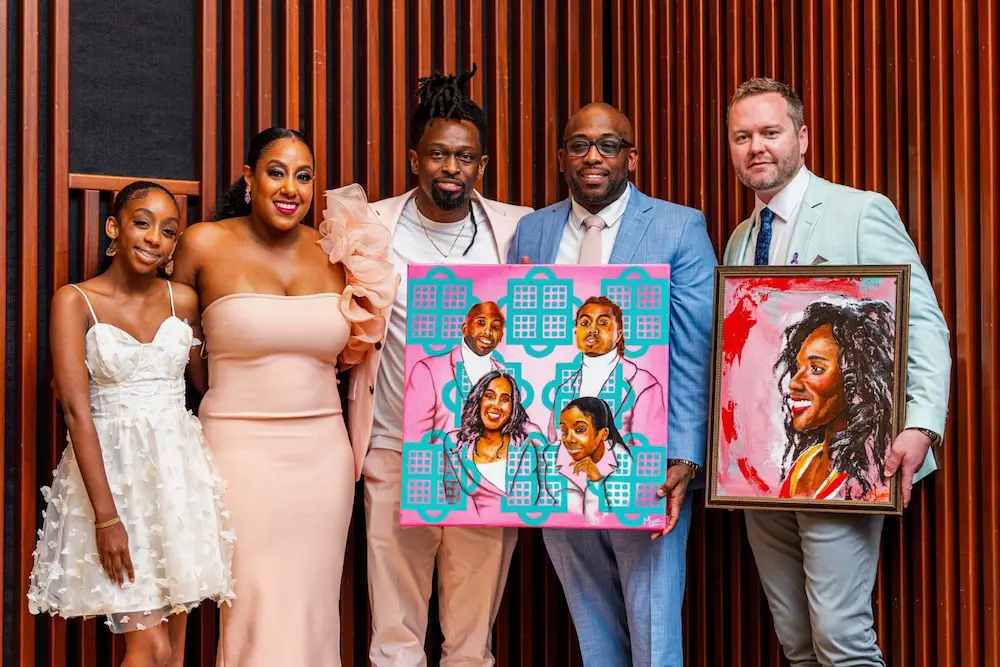
Our programs are rooted in community. Speak! Move! Change, launched during Black Maternal Health Week, brings reproductive justice leaders together to promote anti-racism, healing, and innovation. Remembering You, Remembering Us and the Luxor Collective supports individuals impacted by reproductive trauma and loss through free, anonymous, virtual counseling, creating spaces for reflection, restoration, and resilience. The In Her Honor Series uses art to honor women lost to preventable maternal health complications, raising awareness and amplifying their stories. Postpartum Awareness Week, held annually in May, centers on improving postpartum care for BIPOC birthing people through education, policy advocacy, and collective action.
A powerful extension of this work is the The Emmy-winning documentary Aftershock continues to serve as a catalyst for change, informing, inspiring, and activating audiences to address racial disparities in maternal healthcare. Within four months of its debut, over 215 grassroots screenings were held in 40 states and 110 cities, reaching 21,330+ attendees. A remarkable 95% of surveyed viewers reported learning something new about Black maternal health inequities, while 73% felt compelled to spread awareness.
Our community consists of families, advocates, and healthcare professionals committed to transforming maternal health. We amplify voices often excluded from these conversations and collaborate to create pathways for equitable care. By addressing systemic barriers and empowering communities, we aim to ensure that all birthing people have the opportunity to thrive, creating a future where maternal health equity is a reality.
ARIAH uses art, advocacy, and healing to address the impact of systemic racism on reproductive health in BIPOC communities. We center and amplify the voices of birthing people, ensuring their experiences shape how families are supported and cared for.
The ARIAH Foundation works to reduce maternal morbidity and mortality by providing education, support, and advocacy for BIPOC individuals and families impacted by reproductive health inequities. Our programs are grounded in the lived experiences and expressed needs of BIPOC mothers and birthing people most affected by trauma, loss, and injustice.
.webp)